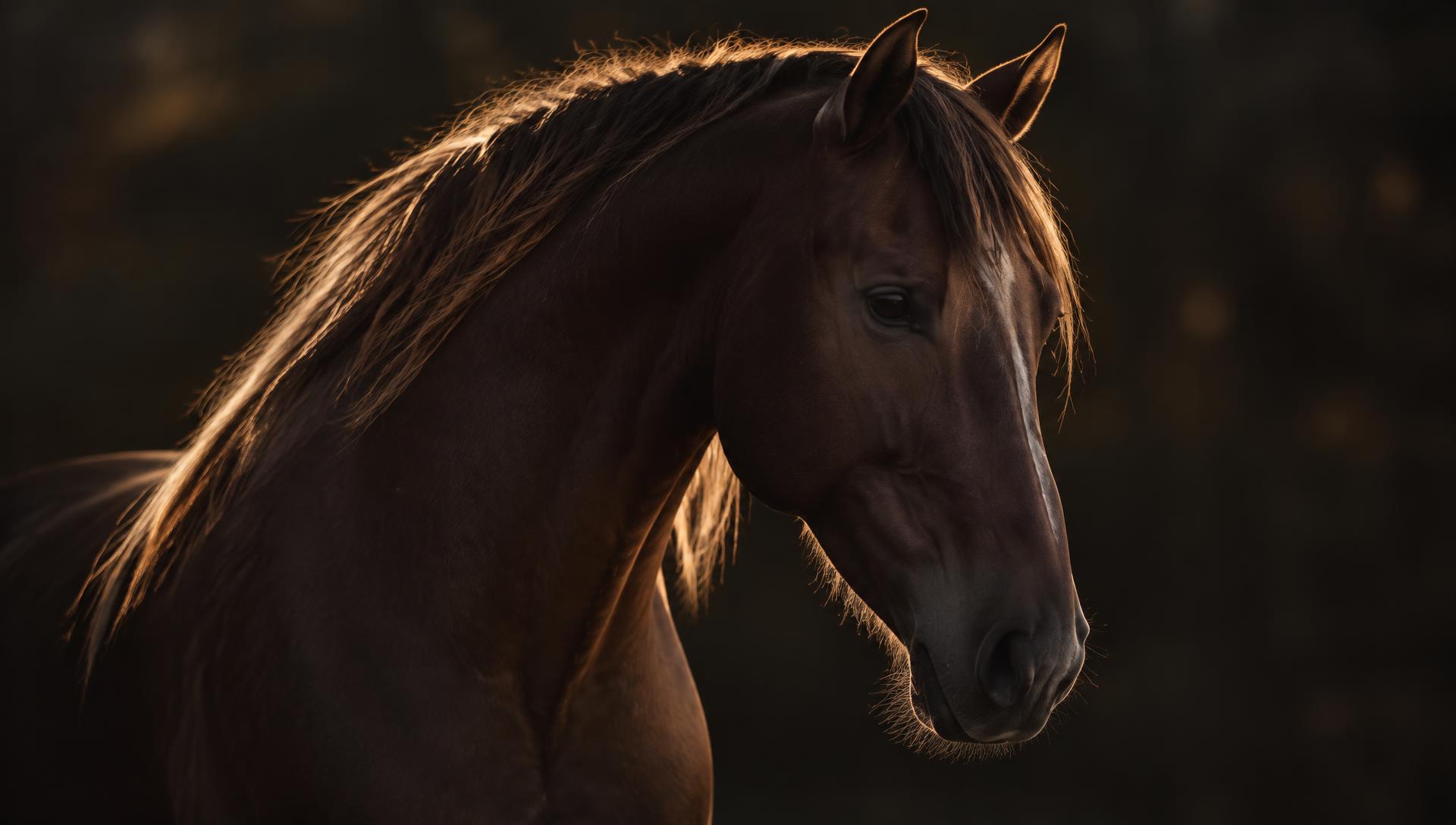
Competition places concentrated demand on a horse: travel, warm-up, the round or test itself, and often several days in unfamiliar surroundings. Recovery deserves the same planning as preparation.
Useful habits include gentle movement rather than complete rest, attention to turnout, and a consistent eye on how the horse feels in the days afterwards rather than only on the day.
If a horse consistently takes longer to come right after an event than it used to, that pattern is worth discussing.
This article is general information for horse owners. It is not advice about any individual horse, and it does not diagnose or replace veterinary assessment.
Equine therapy supports, and does not replace, veterinary diagnosis or treatment. If you have a concern about your horse's health, speak with your vet.
Related reading
- Signs your horse may be experiencing muscular tension
Tension rarely announces itself. More often it shows up as a series of small changes an owner notices before anyone else.
- Understanding your horse's topline
The topline is often discussed as a shape. It is more usefully understood as a function.
- Why muscular balance matters
Symmetry is never perfect. The question is whether the asymmetry is changing.