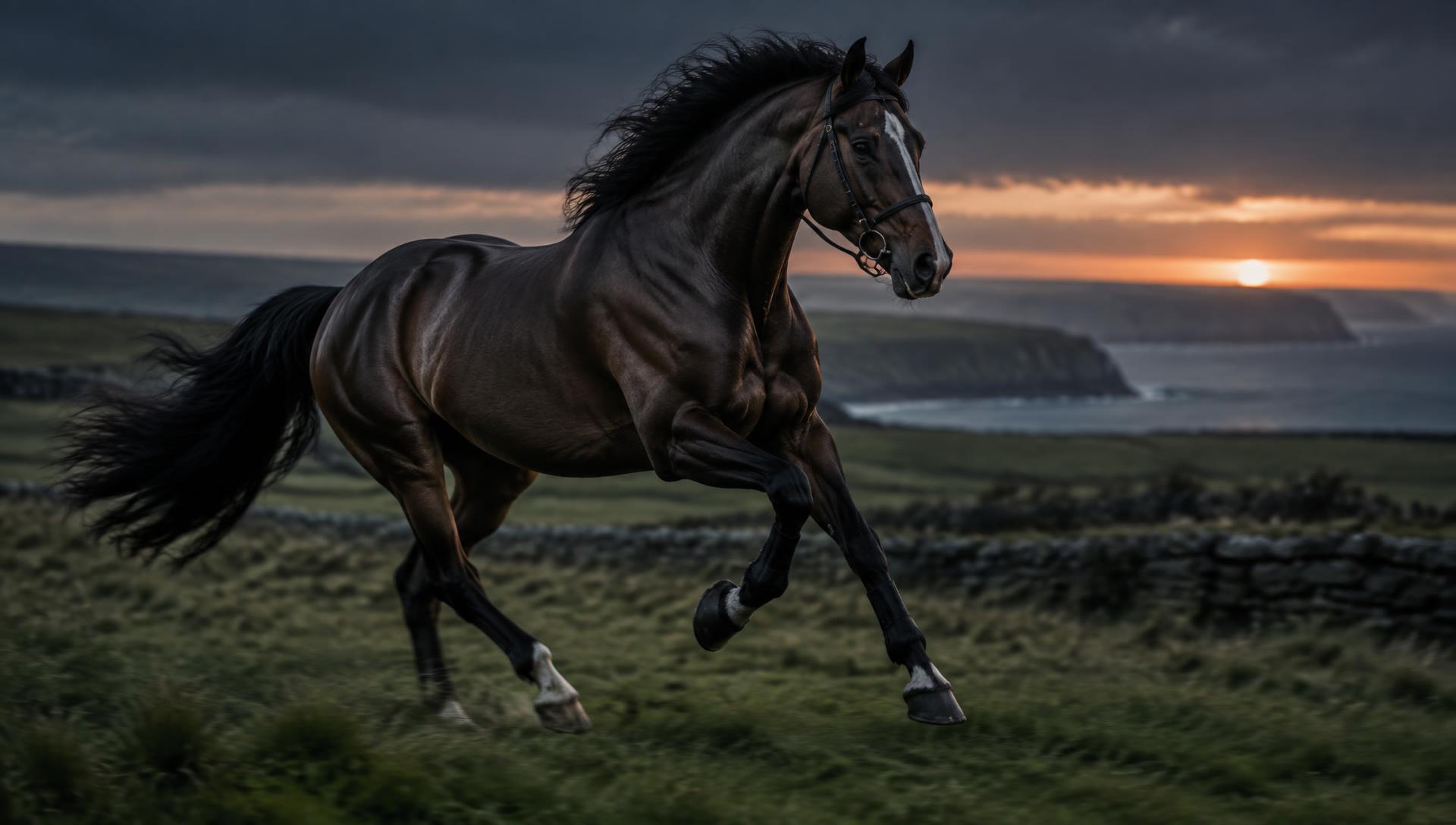
Performance begins with comfortable movement.
A horse that is comfortable can use itself properly. A horse that is not will find a way to do the work anyway — and that way is usually a compensation.
Muscular function
Muscle produces movement and absorbs load. Where tone is uneven, movement becomes uneven with it, often subtly at first.
Mobility
Available range through the neck, back and limbs shapes what the horse can physically offer in its work.
Workload
Training, competing, ground conditions and turnout all place different demands on the same body.
Recovery
What happens between sessions matters as much as the sessions themselves. Recovery is part of the programme, not an afterthought.
Compensation
Horses are exceptionally good at working around discomfort. The pattern you see is often a response, not the origin.
Movement
Assessing movement alongside muscular condition gives a fuller picture than either on its own.
Therapy is one part of a wider picture that includes veterinary care, farriery, saddle fit, nutrition, training and turnout. Where something falls outside the scope of therapy, you will be told so plainly.
Equine therapy supports, and does not replace, veterinary diagnosis or treatment. If you have a concern about your horse's health, speak with your vet.
Understanding your horse
Understanding your horse
No region selected
Select a region
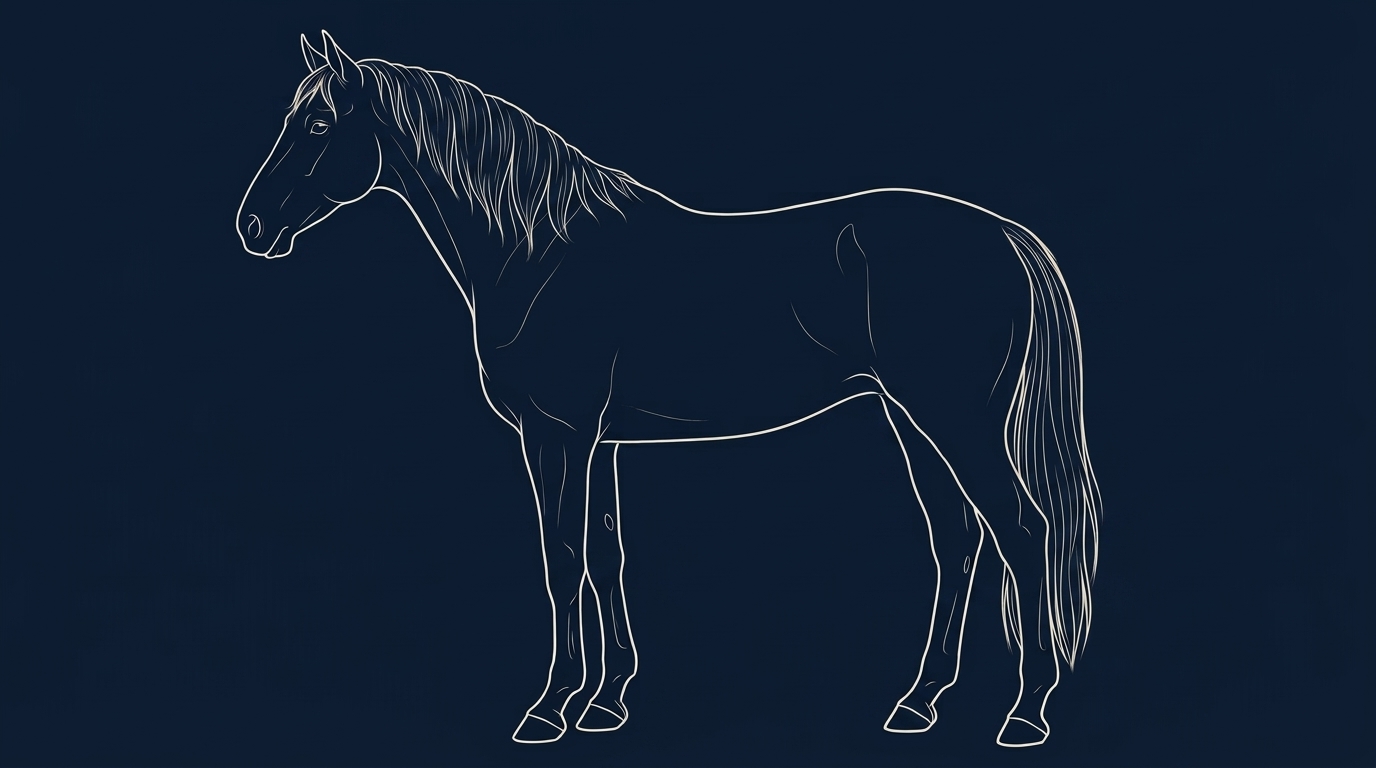
A simplified guide to the muscular regions involved in movement. Select a region to read what it contributes, what an owner might notice, and when an assessment may be useful.
Support alongside your horse's wider care team.
Therapy sits beside veterinary care, farriery and saddle fit. Get in touch to discuss how it may fit into your horse's programme.